How Live Music Shapes Young Minds and Hearts
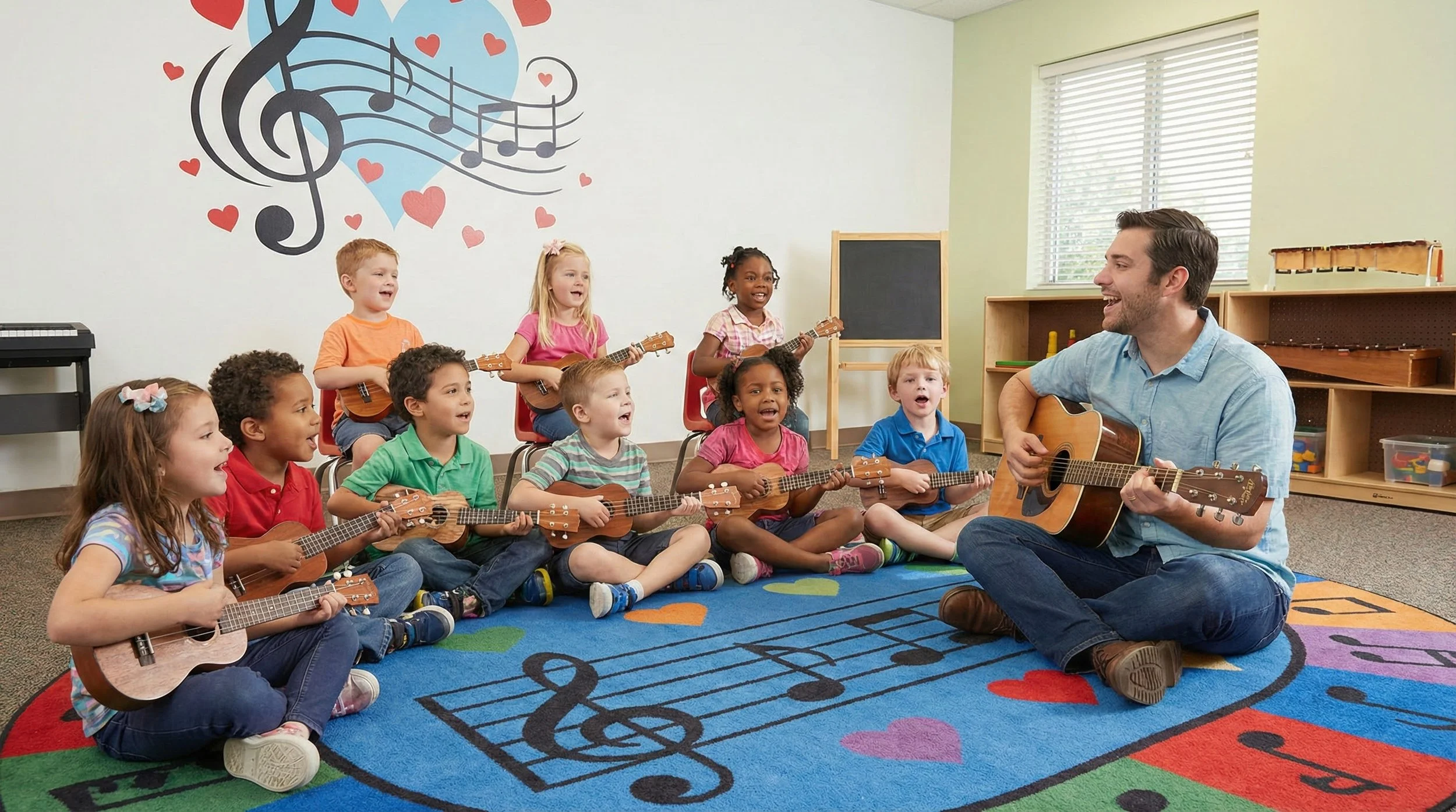
Live music does more than entertain. It engages a child’s brain, emotions, and imagination all at once, helping them develop focus, empathy, and confidence that carry far beyond the stage. Unlike recorded sound, live performances at live music venues create an immersive, multisensory experience that strengthens learning and inspires creativity.
In cities rich with local musicians, these moments become part of community life, each concert a reminder of the dynamic nature of human connection through sound.
How Live Music Engages the Brain
When children experience live music, multiple areas of their brain activate together, auditory, visual, motor, and emotional. They’re not just hearing a melody; they’re watching how sound is created and feeling its physical vibrations in real time.
Research in music education, affective processing, and neuroscience shows that this combination improves attention span, coordination, and memory. The brain’s emotional processing centers link musical rhythm to positive correlations in focus and mood.
Children who regularly attend concerts or participate in recitals develop sharper listening skills and stronger pattern recognition. They learn to focus for longer periods and interpret subtle shifts in tempo, volume, and musical emotions. These abilities benefit not only their musical growth but also their academic and social development, proving that musical training nurtures much more than sound.
When Music Becomes Real
Picture this: your child sitting in an audience as the lights dim and the first notes fill the room. They see musicians breathe together, follow the rhythm, and communicate without words. In that moment, emotional music becomes something tangible, not background sound, but a living expression of effort and feeling.
This kind of experience teaches lessons no textbook can. Children witness discipline, teamwork, and courage in action. They see the joy of sharing something you’ve practiced and the focus it takes to perform. For many, this moment of connection becomes a turning point, the first time they truly see what music can do. In experimental conditions and fMRI experiments, researchers have found that musical pieces performed live evoke stronger emotional responses and more synchronized brain networks than recorded tracks.
Building Confidence Through Performance
Hearing live music inspires children; performing it transforms them. Each time a child steps in front of an audience, whether in a classroom, community space, or small hall, they practice courage and self-control.
The process of preparing for a performance, facing nerves, and completing it successfully builds lasting confidence. These experiences teach resilience: mistakes become part of learning, and effort turns into progress.
Over time, performing live helps children speak, present, and express ideas with ease in other parts of life. The dynamic nature of real performance connects them directly to rhythm, expression, and the shared excitement of the audience.
Live Music as Emotional Learning
Music communicates emotion in a direct, physical way. In one concert, children can feel excitement, calm, curiosity, and joy, sometimes all within minutes. Learning to identify and respond to these emotions helps develop empathy and emotional regulation.
Sharing these experiences as a family makes them even more meaningful. When parents and children listen together, they connect through what psychologists call emotional synchronization, feeling the same thing at the same time. Talking afterward about what moved them helps children build emotional vocabulary and confidence in expressing how they feel.
Research in Music and the Brain and perceptual ratings has shown that emotional engagement during live performances strengthens neural responses related to musical variations and affective processing.
Making Live Music Part of Everyday Life
You don’t need to wait for a major concert to give your child this experience. Local schools, libraries, and community spaces often host recitals and performances that are just as impactful. What matters is consistency, letting children see and hear music being created by real people.
Encourage small traditions at home: attend a local concert together, watch a friend perform, or host a family “music night” where your child plays for you. These moments reinforce that music is something to be shared, not just practiced.
When children talk about what they noticed, the instruments, rhythm, or how a song made them feel, they deepen their understanding and keep the learning alive. Live performances, even small ones, mirror the same human joy found in world-famous festivals and concert halls, just closer to home.
The Long-Term Benefits
Children who grow up around live music develop more than musical skill. They learn patience from waiting through long performances, empathy from feeling what others express, and confidence from sharing something of their own. These traits last far longer than a single concert or recital.
Through group classes, recitals, and small live music sponsorships, children experience what it means to create and perform as part of a community. Live music venues bring together families, neighbors, and music enthusiasts, reminding everyone that connection and creativity thrive when music is shared.
Live music connects practice to purpose. It reminds children why they started, helps them find pride in their progress, and gives them the courage to keep creating, proving that music in many other forms continues to shape hearts, minds, and memories across every generation.